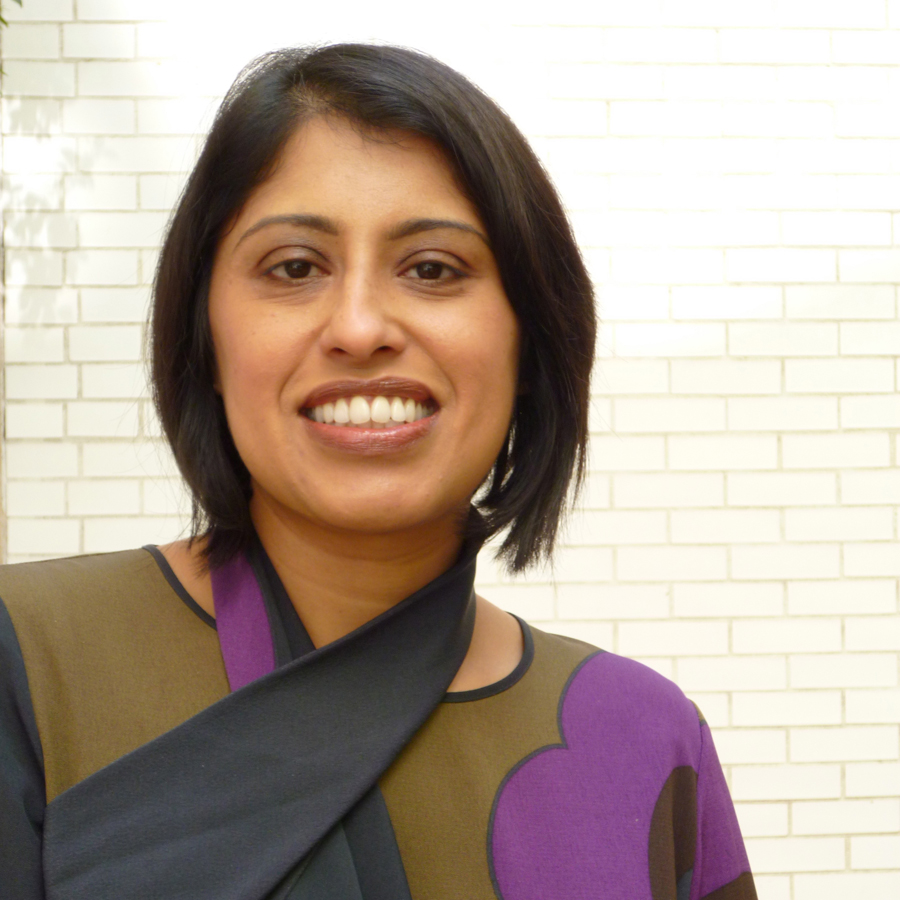
The Frankfurt Memory Studies Platform at the Goethe University in Frankfurt invited Daniela Berghahn to give a lecture in the series 'New Frontiers in Memory Studies'. The lecture series has featured leading scholars of memory studies such as Aleida Assmann, Stef Craps, Jeffrey Olick, Ann Rigney, or Michael Rothberg. During the academic year 2015-16, the special focus of the lecture series is on “Migration and Transcultural Memory.”
Since the mid-1990s, a number of Turkish German, Maghrebi French and Black and Asian British filmmakers have excavated their parents’ memories of migration to the old Europe in documentaries including Memories of Immigration (Benguigui, 1997), We Forgot to Return (Akin 2000) and I for India(Suri 2005). This paper explores the triangulated relationship between the collective memory of diaspora and the social memory of the family in relation to official accounts of immigration written and preserved by the host societies. These ‘domestic ethnographic’ documentaries (Renov 1994) draw attention to the complex layering and medialisation of personal and collective memories, characteristic of postmemory texts (Hirsch 1997). Family photographs and home videos function as mnemonic triggers for recollections that unfold in extended dialogues with (real or symbolic) parents (e.g. in John Akomfrah’s poetic essay film The Nine Muses (2012)). Archival footage from televised programmes about immigration provides a narrative counter-point, while popular songs capture the parents’ nostalgia for their homeland.
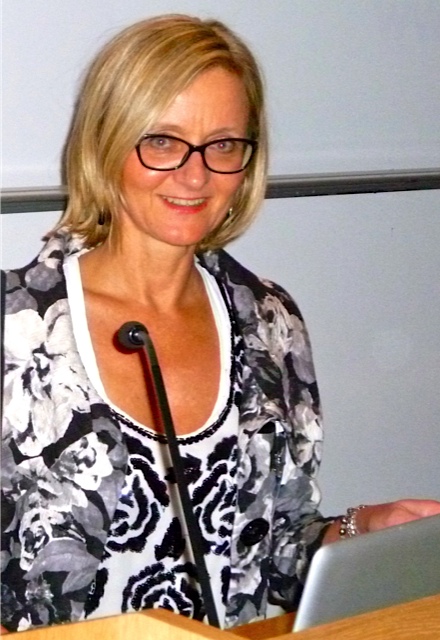
Professor Daniela Berghahn (Royal Holloway, University of London)
Daniela Berghahn
The conference The Diasporic Family in Cinema, held on 21 May 2011 at SOAS in London, was co-hosted by the Department of Media Arts (Royal Holloway), the Centres for Film and Media Studies and for Migration and Diaspora Studies (School of Oriental and African Studies), in association with the Screen Studies Group of the University of London and the Ciné Lumière.
This keynote lecture was presented at the conference The Diasporic Family in Cinema on 21 May 2011 and was introduced by Dr Daniela Berghahn (Royal Holloway, University of London).
Abstract: Stereotypes abound when it comes to cinema's portrayal of Italians and in this paper I will focus on one particular archetype: the immigrant Italian-American father of Hollywood cinema, selecting examples from across the decades to illustrate how American cinema has remained, in this respect, as unreconstructed as the stereotype it constructed and promoted. Gino Monetti in Joseph L. Mankiewicz's 1949 film House of Strangers is an opera-loving self-made, self-styled banker, whose naive generosity lands him in jail from where he enters into a vengeful feud with his two younger sons; Tommy de Coco in Robert Mulligan's Bloodbrothers (1979) is an ignorant, adulterous, inarticulate construction worker who beats his wife and is finally abandoned by his sons Stony (played by a young Richard Gere) and Albert; two fathers in Spike Lee's Jungle Fever (1991) - Angie's and Paulie's - offer particularly unsettling portraits of working-class Italian-American fathers as controlling and macho that raise rather than solve the issue of inverted racism. And then, of course, there is Vito Corleone in The Godfather. With references to these and a variety of other films in which the Italian-American male and father is more or less brutish, simple or misguided (Saturday Night Fever, Moonstruck. A Bronx Tale, Mambo Italiano) this paper will explore the stereotyping of the Italian-American immigrant father. Vito Corleone might tell his son Michael 'I never wanted this for you', but Italian manhood, like the organised crime it perfected, is virtually impossible to escape from.
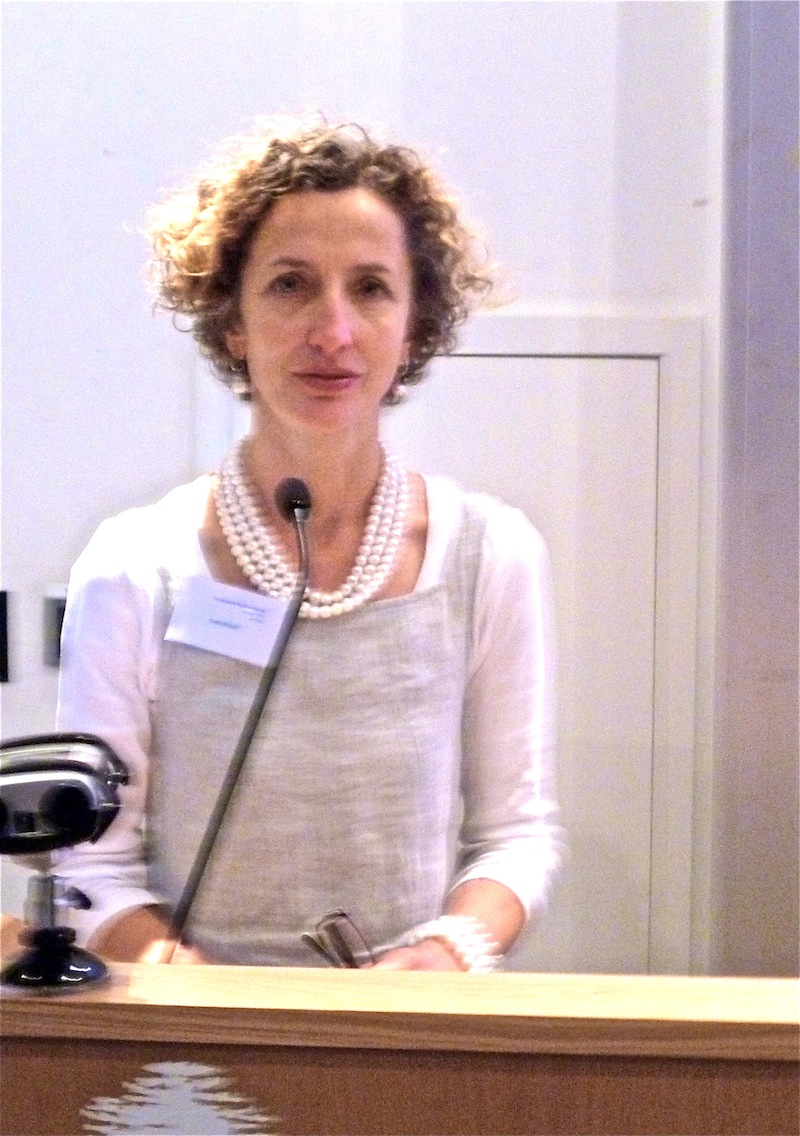
Professor Rachel Dwyer (SOAS, University of London)
Rachel Dwyer
This paper was presented at the conference The Diasporic Family in Cinema on 21 May 2011 and was introduced by Professor Yosefa Loshitzky (University of East London).
Abstract: Many recent Hindi films are set partially or wholly in an imaginary diaspora, usually in the UK or the USA, yet the characters, their lifestyles and their language are always marked as Indian rather than as diasporic. This paper examines the depiction of the Indian family in these films to question the meaning of the diasporic setting. For example, are there particular issues concerning the Indian family that can be raised only outside India? Do these films tell us more about the metropolitan Indian family than about the diasporic family? What is the relationship between the two? The paper concentrates on two major forms of the diasporic family film that developed after the path-breaking DDLJ (1995) and are some of the biggest box office successes in Hindi cinema. One is the big budget diasporic family romance closely associated with Yash Raj/Karan Johar, starring Shah Rukh Khan. These range from family melodramas (Kal ho na ho, 2001; Kabhi alvida na kehna, 2006) to the issues of post 9/11 America (My name is Khan, 2010). The other is the comedy film, where Akshay Kumar plays the diasporic Indian hero, whose ‘innocent abroad’ act wreaks havoc (Singh in Kinng, 2008; Housefull, 2010) contextualising them in the wider history of the diasporic Hindi film.
This paper was presented at the conference The Diasporic Family in Cinema on 21 May 2011 and introduced by Professor Yosefa Loshitzky (University of East London).
Abstract: French cinematic representations of the diasporic family, most often of Maghrebi, more specifically Algerian descent, have, since the 1980s, with few significant exceptions, centred on the problematic place and identity of second generation youths at odds with their first generation migrant parents. Indeed the narrative role of such parents has typically been absent or marginalized, or, in the case of the Arab-Muslim father figure in particular, represented as a negative influence on the children’s ability to integrate into French society. However, in the last few years, films about second generation banlieue youths have given way to films which explore with more attention and complexity the relationships between different generations within the diasporic family, and which, notably, foreground and seek to some extent to rehabilitate the role of the father. This paper compares and contrasts the representation of the father figure in recent French films and assesses the extent to which the foregrounding and rehabilitation of the father confirms the settlement of the younger generation in France.
This paper was presented at the conference The Diasporic Family in Cinema on 21 May 2011. The panel was introduced by Professor Mark Hobart.
Abstract: This contribution offers a first reading of the recently released feature film West is West (UK 2010), discussing it as the narrative complement to its predecessor East is East (UK 1999) and as a response to the latter’s popular and critical reception. Starting with a reflection on the functions and attributes of remakes, pre- and sequels, the investigation then centres on West is West’s‘sequelising’ shifts in time, location and character constellations as well as on the on-screen integration of Pakistan and George Khan’s pre-migratory cultural and social ties. The analytical focus is on the shaken up, reassembled and extended Khan family in West is West and more specifically on the transethnic commonalities between individual characters – East and West – that result from the transnational travels of the interethnic family. Particular attention is paid to the theme of marriage and that of ‘the two wives’, also with reference to other diasporic narratives in which ‘the Muslim wife’ constitutes a structural absence. Finally, the paper will address the expectation that West is West can (or should) be a commentary on early 21st century issues and debates; it will close with a brief review of the film’s place within British (Asian) comedy and/or the mini-genre of diasporic period fiction.
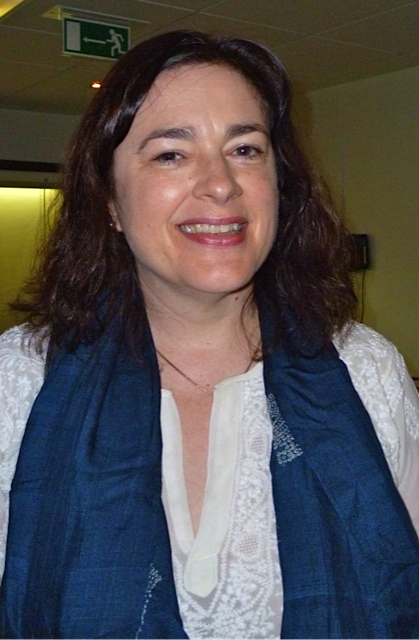
Dr Daniela Berghahn (Royal Holloway, University of London)
Daniela Berghahn
This paper was presented at the conference The Diasporic Family in Cinema on 21 May 2011 and was introduced by Professor Mark Hobart (SOAS, University of London).
Abstract: Weddings ritualise the family unit and perpetuate structures of kinship through a continuous creation of family feeling. For diasporic families such ‘rites of institution’ (Bourdieu) are particularly important since they reinforce and sustain affective obligations across long distances, thereby counteracting the destablilsing forces of transnational migration and diasporic existence. The proliferation of wedding films in diasporic cinema can be explained by their crossover appeal. They satisfy diasporic audiences’ nostalgia and provide the comforting reassurance that cultural traditions and family values of the homeland can and do live on and that kinship networks remain intact despite the family’s dispersal across several continents and cultures. To western majority audiences wedding films crystallize the Otherness of diasporic cultures, especially when linked to arranged marriage, a practice considered irreconcilable with western notions of romantic love and individual self-determination. This paper examines how in Mira Nair’s Monsoon Wedding (2001), a film about an Indian wedding that reunitesa transnationally dispersed family in New Delhi, the conflicting demands of tradition and modernity are reconciled in a modern ‘arranged love marriage’. Similarly, the romantic comedy Evet, I Do! (Sinan Akkus, 2009) celebrates the convergence of tradition and modernity, Turkish and German (family) values through an inter-ethnic romance that culminates in a big Turkish wedding.
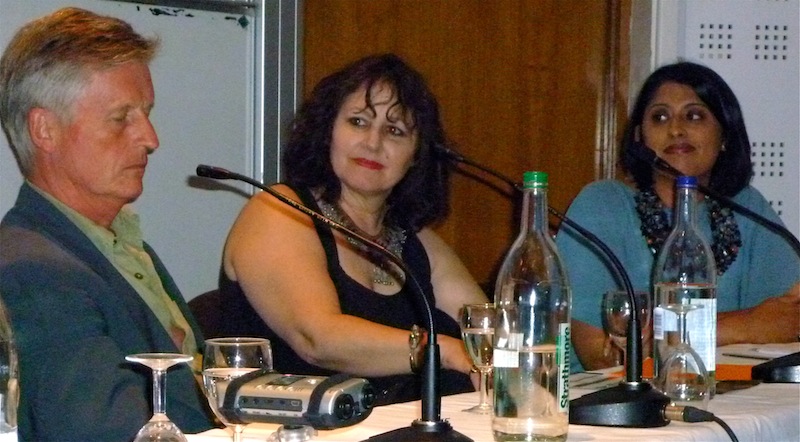
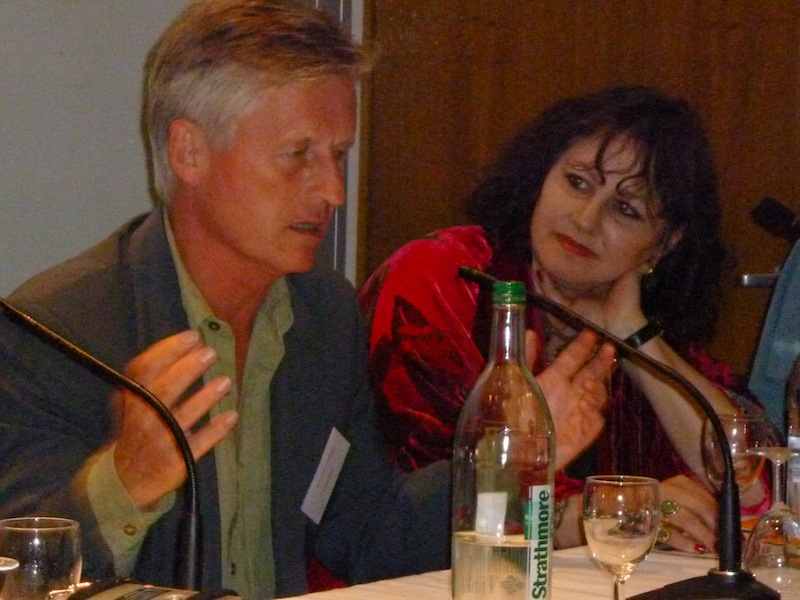
The roundtable discussion was part of the conference The Diasporic Family in Cinema on 21 May 2011. It aimed to explore how media practitioners negotiate between their artistic ambitions, the demands of the public funding bodies and the market in their construction of diasporic family life on screen and how these films intervene with ongoing media debates about hegemonic and minority cultures in Western societies.
Contributors:
Dr. Feo Aladag (director/scriptwriter/producer When We Leave, Germany 2010)
Dr. Gareth Jones (director/scriptwriter/producer Desire, UK 2010, and founder of BABYLON)
Sandhya Suri (director/scriptwriter I for India, UK 2005)
Leslee Udwin (producer of East is East, UK 1999 and West is West, UK 2010)
Chairs: Dr Daniela Berghahn (Royal Holloway, University of London) and Dr. Sarita Malik (Brunel University)
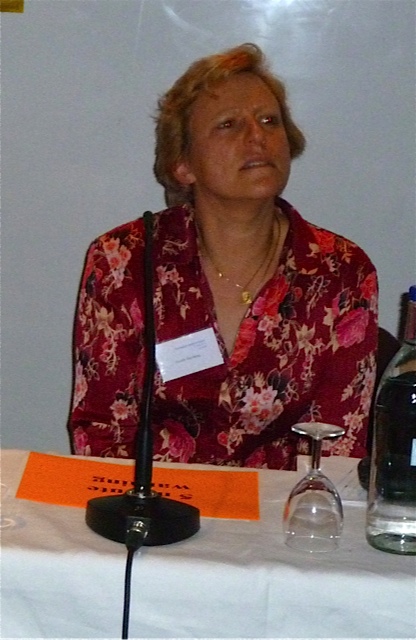
Dr Manishita Dass (Royal Holloway, University of London)
Manishita Dass
This paper was presented on the panel 'Citizens of Plural Worlds: Family and Nation in the Age of Globalisation' at the SCMS Conference in New Orleans on 12 March 2011.
Juxtaposing privileged family fictions of 1950s and 1990s Bombay cinema, this paper aims to unsettle easy equations of globalization with progress and calls for a political history of changing representations of the family in Bombay cinema, a history that will connect representational shifts to shifting discourses of cultural citizenship and to changes in the Bombay film industry, and will defamiliarize contemporary fictions of the family, thereby loosening their hold on our imagination of Indianness. While recent films have recast the diasporic subject as the authentic Indian who carries “India in the heart” and is firmly anchored in “Indian tradition” through the affective ties of family, conservative social codes and elaborate Hindu rituals, the paradigmatic hero of the 1950s was an impoverished orphan or outsider adrift in a disorienting metropolis, relying more on the kindness of strangers than on the support of kinfolk or the comfort of tradition.
This paper was presented at a panel on 'Citizens of Plural Worlds: Family and Nation in the Age of Globalisation' at the SCMS Conference in New Orleans on 12 March 2011.
This paper examines the degree to which reality television can be said to represent the reproduction of democracy through its media platforming of ordinary, diverse citizens. It discusses Channel 4’s production The Grewals, broadcast in Britain in 2009. The ‘fly-on-the-wall’ documentary traces the trials and tribulations of the extended British-Indian family as they experience everyday life and family milestones including a wedding and birth. The reality series has been acclaimed as a, “seminal moment in the diversity history of Asian representation and in general of ethnic minority representation”. The series’ combination of particularity (the specific situation of a Jat-Sikh, British, Indian family) and universality (the main themes being centred on love, marriage, and family relationships) have also been praised by journalists and audiences.